A project is being defined and the owner needs a clearer scope or decision path.
Early Project Clarity
Preconstruction & Construction Consulting
Clarify scope, compare information and surface practical questions before uncertainty follows the work into construction.
Schedule a Call
When This Service Creates Value
Proposals or bids need to be compared beyond the bottom-line number.
A defined construction issue needs focused, field-informed review.
Strengthen the Information Behind Early Project Decisions
Preconstruction is where unclear assumptions can become later cost, schedule and coordination problems. RVV helps owners examine scope, proposals and practical execution questions so the next decision is better informed.
How RVV helps
- Scope clarification and completeness review
- Proposal and bid comparison
- Constructability and sequencing questions
- Procurement and packaging considerations
- Focused review of construction issues
Short video perspectives
Contractor Selection and Early Decisions, Explained
Practical points on bids, contractor risk and getting the details right before work begins.
Low Bid? Reconsider Your Contingency
Why choosing the lowest bidder is a reason to carry more contingency, not less.
Read the transcript
If you end up leaning towards the lowest bidder in a competitive bidding situation, and you have a standard contingency that you normally carry, strongly recommend when you go with a low bidder, you carry a little extra contingency because you're at greater risk of failure in that condition. I'm not saying if you go with the most expensive vendor, you should carry the least amount of contingency, but in theory, if you go with the highest bidder, you should be getting, if all other things are equal, you should be getting a more sophisticated contractor. So in theory, they should be better prepared for a project of that nature, and hopefully you're less exposed for change orders to hit you when you're not expecting it.
Resilient Channel vs. Hat Channel
A jobsite example of why a common product name does not guarantee the right product arrives, and why it matters for sound control between floors.
Read the transcript
Hello there, just want to provide a quick tip and kind of a clarification on a product, especially in the multifamily space when sound control is a concern. So I'm on this project and we have a rather thin floor profile on this particular project. And in most cases, after you frame, you have to do your rough framing, you would put strapping on the ceiling.
Now, when I say strapping, most people are expecting wood strapping. Okay, just pretty thin wood that you apply to the ceiling framing and that's what your drywall gets attached to. So there was a little bit of a confusion on this project where we specified a little bit more sound control.
So we did tell the contractor, the vendor to provide us with resilient channel. Now, resilient channel is a metal furring, basically. And this, that is not resilient channel, this is a hat channel.
Okay, so it does almost the exact same thing as wood strapping. The problem is, because it is securely attached to the floor joist, vibration, sound will travel through vibration into the floor and then you'll hear that noise. You'll sense that noise in the units above.
That's why we decided to use resilient channel. Now, a mistake was made, so all of these fur channels, steel channels, have to come out. But the good news is, we did get the correct product eventually.
So this, this is a resilient channel. So the difference is that you only attach it on one side. So this side does not actually get attached.
And what that causes is when you hang your drywall to it, it actually floats, it reduces some of the vibration noise that'll come through. So that'll help reduce the sound transmission through the floor. So even though you could call up a lumber yard and say, I need resilient channel, and you would expect that everybody understands what a resilient channel is, sometimes there is still confusion and the wrong product gets sent out.
So just a little cautionary tale. Make sure that you understand what resilient channel is if soundproofing and sound deadening between floors is important to you. Resilient channel can also be used on common walls.
It's another method to prevent the little sound transmission through the walls. You can also achieve some soundproofing by using rock wool or sound acoustical bats in the floor joists or in the stud walls. So that's my tip for today.
A Practical Engagement Path
- OrientDefine the decision, project stage and project information.
- ReviewReview scope, assumptions, proposals and constraints.
- ClarifyCompare options and identify gaps or dependencies.
- SupportDocument the next decisions and follow-up.
Practical experience
Practical Construction Experience Before Work Begins
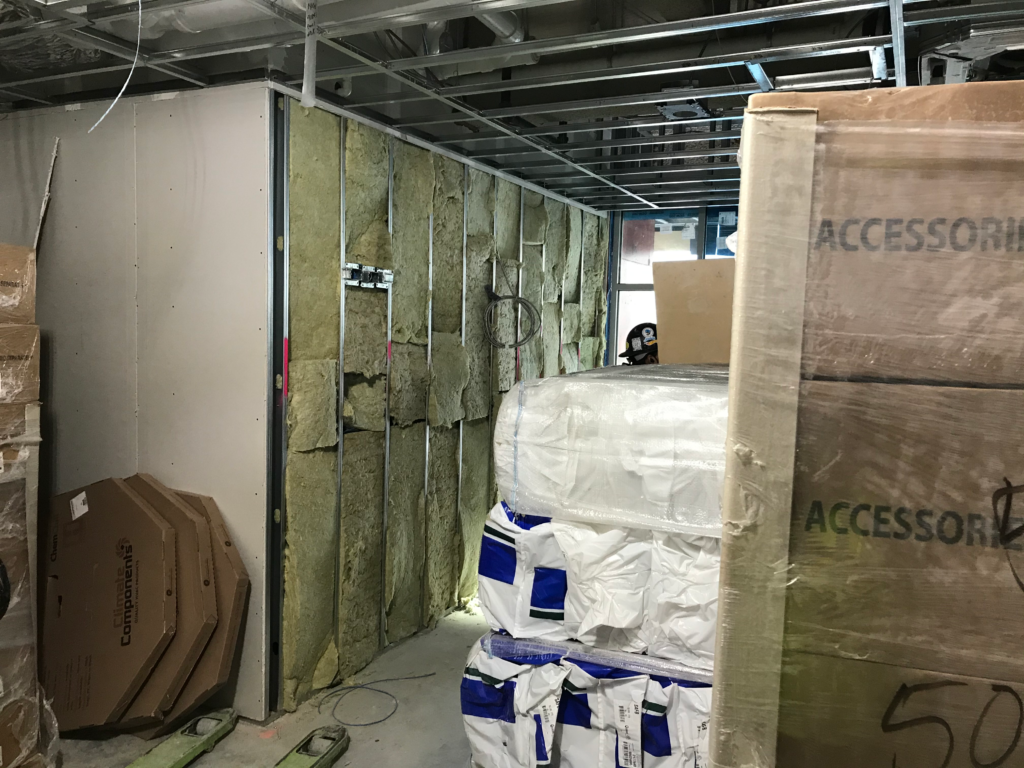
RVV’s experience with active construction helps clients recognize scope gaps, assumptions and coordination questions while the project is still easier to influence.
Frequently Asked Questions
Can RVV help compare contractor proposals?
Yes. RVV organizes scope, assumptions, exclusions and practical differences so the owner can compare proposals on more than price alone.
How does RVV work with the design team?
RVV brings the owner’s construction, scope and execution questions into the process while architects and engineers remain responsible for design and technical decisions.
Is this service only for projects that have not started?
Early involvement creates the greatest opportunity to shape scope and procurement, but RVV can also help resolve a defined question during active construction.
Related Services
Owner's Representation & Construction Project Management
Owner-side coordination and project visibility from planning through execution, with attention to scope, communication, decisions and the owner's priorities.
Learn about Owner's Representation & Construction Project Management →Acquisition / Disposition Due Diligence
Connect property conditions, deferred maintenance and future capital needs to transaction and ownership decisions.
Learn about Acquisition / Disposition Due Diligence →